
Coloring pages for a 3 year old: what suits and what to expect
A large drawing with three to six separate areas, a bold outline and room to add something. Where a first coloring book still fits, and where it starts running out.
At three a child needs a large drawing with three to six separate areas to fill, still with a bold outline. The crayon is held with the fingers rather than the whole fist, a circle and a straight line can be copied on request, and the child picks a color for each area on purpose and can say why. Most of the color lands on the drawing, and crossing the outline is still frequent and still normal.
This is the age when a page can carry more than color. Room at the edge of the sheet gives a child who wants to add a sun somewhere to put it, and a word printed under the drawing turns into something to trace or copy. Asking who is in the picture, what color they are and what is happening on the page usually gets a real answer at three, which is the part of the session that does the most.
Variety starts to matter as much as size. A three year old notices when two pages in a row are alike, and a book of nothing but animals runs out of interest faster than one that moves between animals, food, vehicles and familiar objects. Sessions run ten minutes and sometimes longer, so a page that ends too quickly is now a real disappointment rather than a normal ending.
It is also the age where a first coloring book begins to be outgrown, usually somewhere past three and a half. The sign is boredom rather than skill: the child fills a page correctly and puts it aside without interest. What follows is a scene rather than a single object, or a step by step drawing book where the child builds the picture instead of filling in someone else's.
How to run the session
- Ask who is in the picture and what is happening, and let the answer run.
- Put out the full set of colors and stay out of the choosing.
- Offer the edge of the page for anything the child wants to add.
- When a page gets filled in correctly and abandoned without interest, move up a level.
Questions parents ask
How many areas should a coloring page have for a 3 year old?
Three to six separate areas inside one large drawing works well, with the outline still bold. That is enough for the child to choose a different color for each part, which is what a three year old wants to do, and not so many that the page takes longer than the interest lasts.
My 3 year old still goes outside the lines. Is that a problem?
No. Staying inside the outline reliably usually arrives closer to four, and until then aiming at the shape and getting most of the color onto it is what the hand is working on. Pointing out the crossed edges tends to cost more interest than it gains accuracy.
When is a first coloring book outgrown?
When the child fills a page correctly and walks away from it without interest, usually somewhere past three and a half. The signal is boredom rather than neatness. At that point a scene with more areas to fill, or a step by step drawing book, suits better than more pages of the same kind.
Are colored pencils suitable at three?
Usually yes, since the finger grip needed for them is in place at this age, and pencils allow a lighter touch inside a small area. Crayons and washable markers still work well, and most three year olds move between all three depending on what they are coloring.
The book we publish for this stage
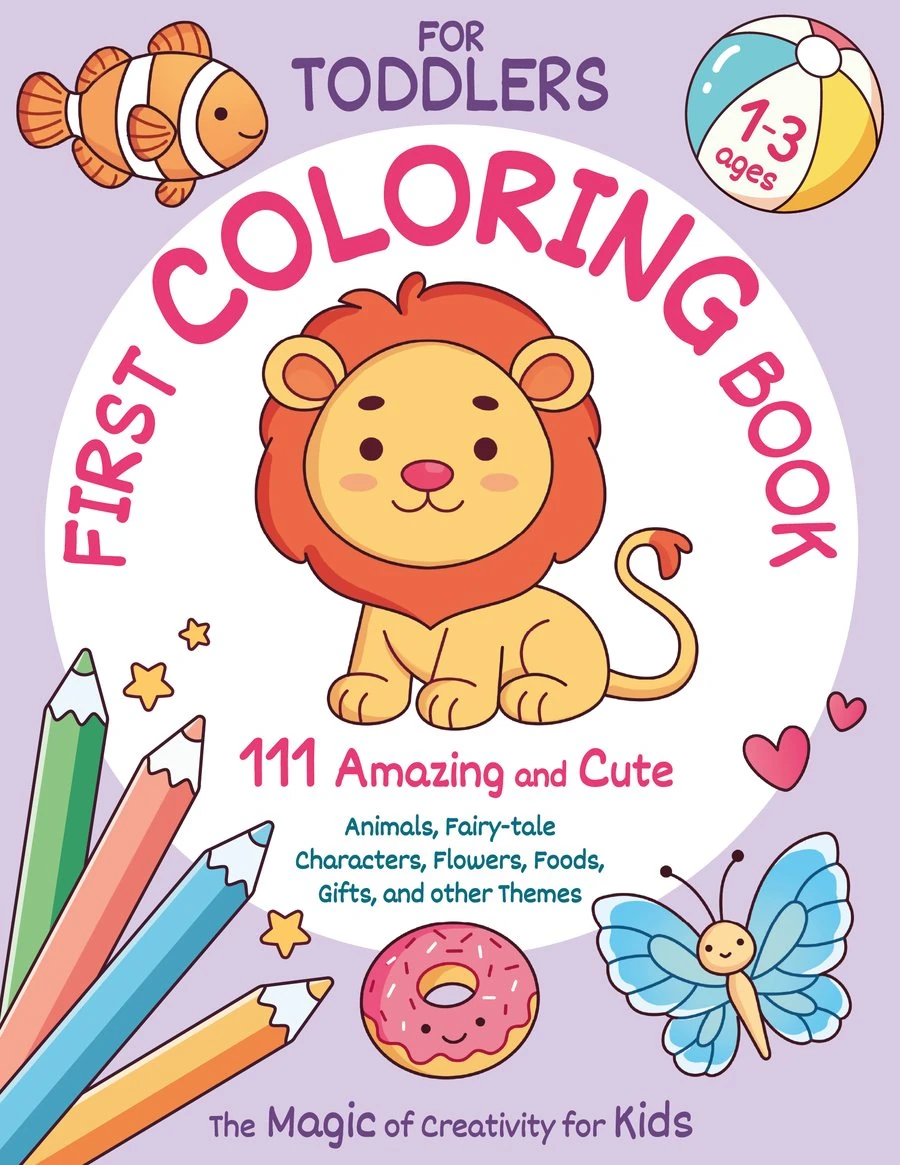
First Coloring Book for Toddlers Ages 1-3
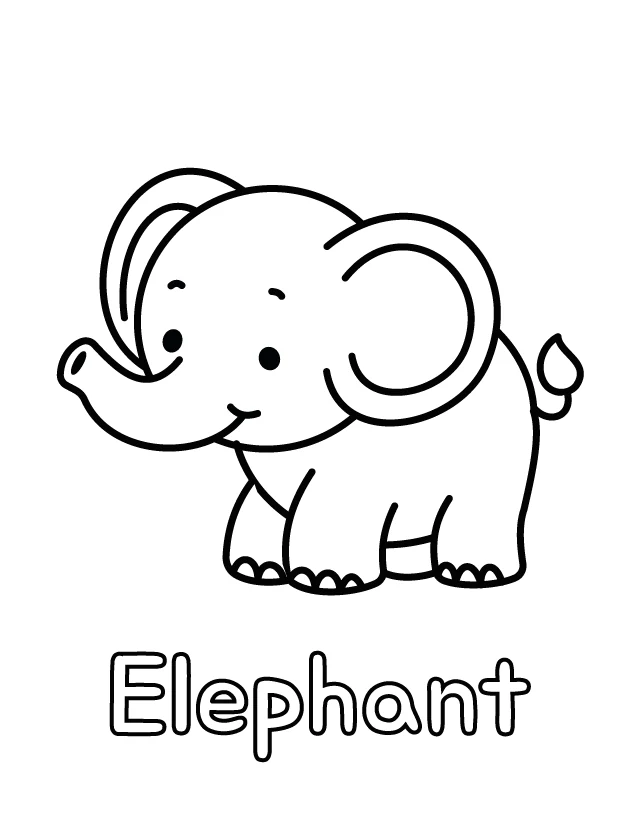
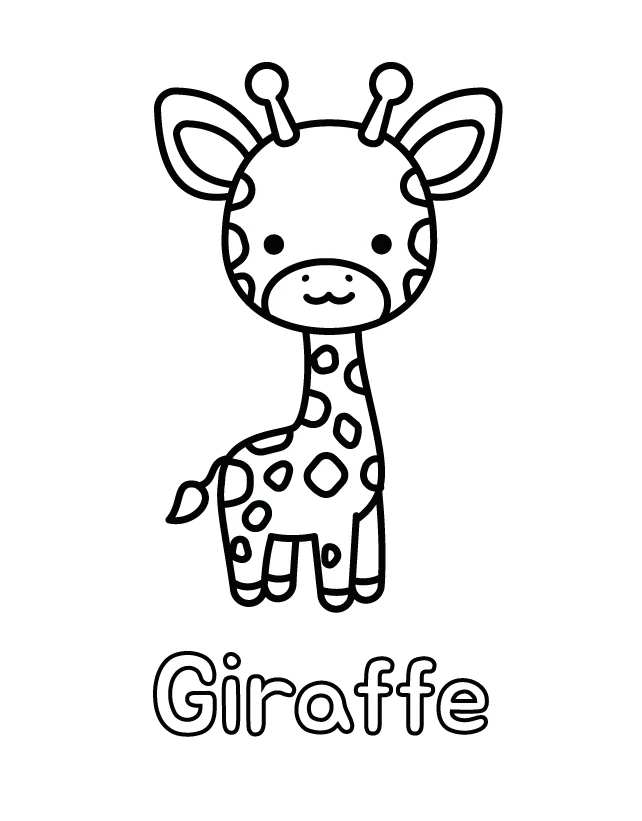
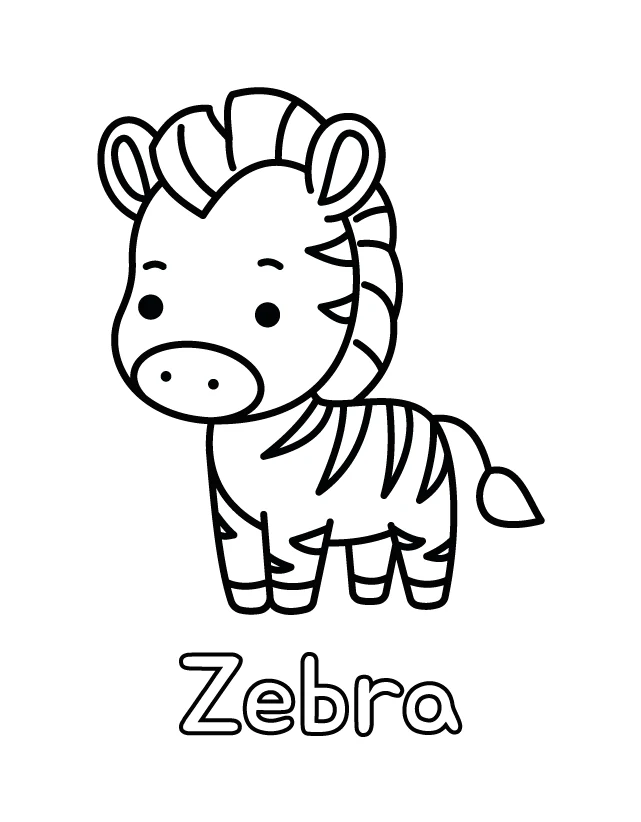
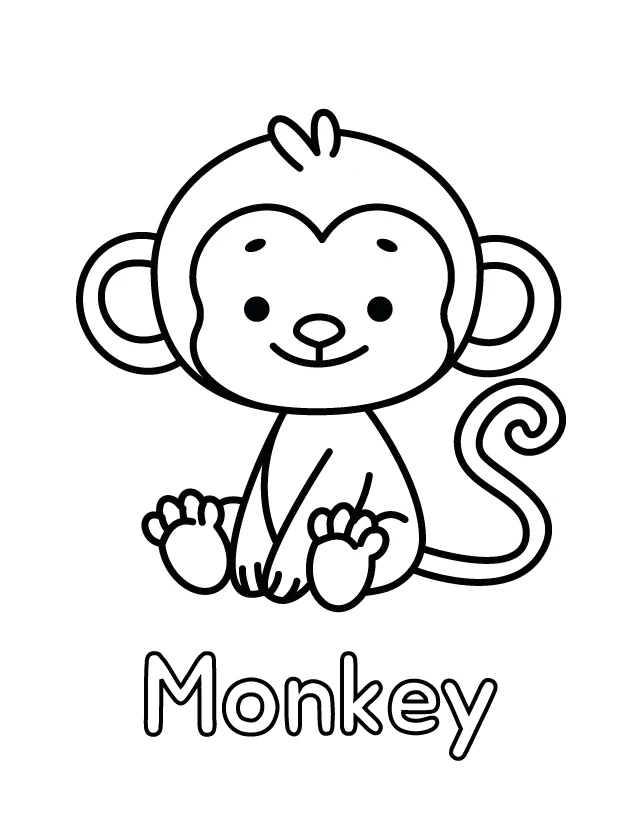
A first coloring book works best with big, simple drawings and thick outlines, with no small detail and nothing extra on the page. One picture per page makes it easier for a child to stay with it and color on their own. This book is built on that principle: 111 hand drawn pictures, each filling almost the whole sheet. Under every picture sits its name in hollow letters, which can be colored too.
Buy the paperback on Amazon · $6.99 Which paper size do you print on? You pay here, and the link arrives by email right after checkout. Print it at home as many times as you need.Get the printable file · $3.99
Sold and shipped by Amazon. We earn from the sale.
The full description of the book, with all 111 drawings and parents' questions, is on its page in the publisher's catalog: coloring book for 3 year olds.
Other ages
- Coloring pages for a 1 year old: what suits and what to expectOne large shape filling the sheet, a very thick outline and thick crayons. What the hand does at this age, and how a session actually goes.
- Coloring pages for a 2 year old: what suits and what to expectA large recognizable subject, an outline that is still thick, and two or three parts inside the shape. What changes at two, and what does not change yet.
- Aiming at the shapeabout 2 to 3 years. How the hand develops at this point
- Choose a bookAnswer four questions about your child
- What these recommendations are based onWhich signs the picker weighs, where the age ranges come from, and what this tool does not do.
Where the developmental facts come from
Ages on this site are typical ranges, not deadlines. Children reach these points at their own pace, and a few months either way is ordinary.
- Learn the Signs. Act Early.Centers for Disease Control and Prevention
- Hand and Finger Skills: 2 Year OldsAmerican Academy of Pediatrics, HealthyChildren.org
- Developmental MilestonesStatPearls, National Library of Medicine
- Developmental Milestones: Fine Motor and Visual Motor SkillsChildren's Hospital of Orange County