
Coloring with a toddler without the mess
Most of the mess around coloring can be reduced in three simple ways: choose suitable materials, give the child a large clear drawing, and end the session when the interest fades. That is often enough to keep drawing from turning into a big clean up.
It helps to separate two different things. The first is actual marks from crayons or markers on the table, the walls, clothes and hands. The second is the child's own work, which may look chaotic. Uneven lines and marks outside the outline are completely normal in the early years and do not mean the child is drawing the wrong way.
To reduce stray marks around the page, start with the materials. Wax crayons are usually easier to remove from hard surfaces, and washable markers come off skin and many fabrics more easily. Permanent markers are better kept away from young children.
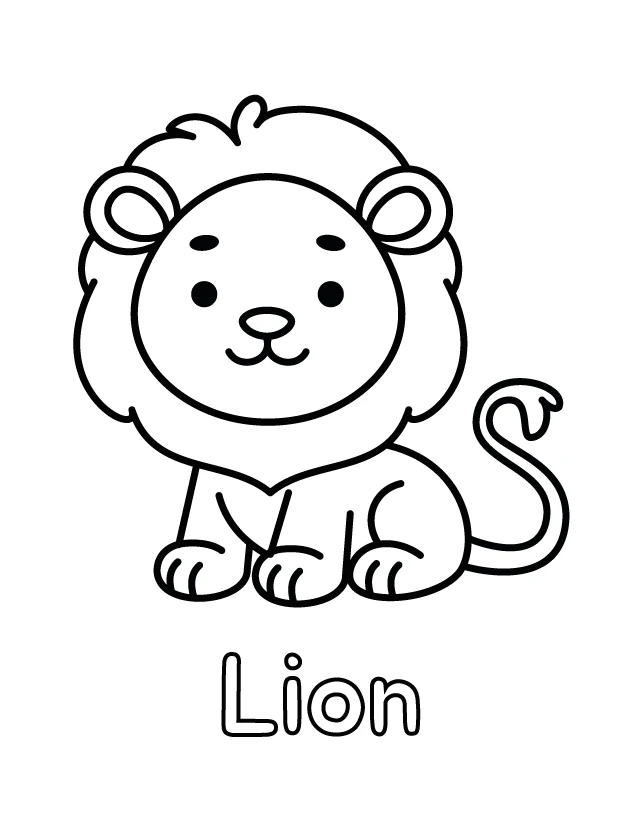
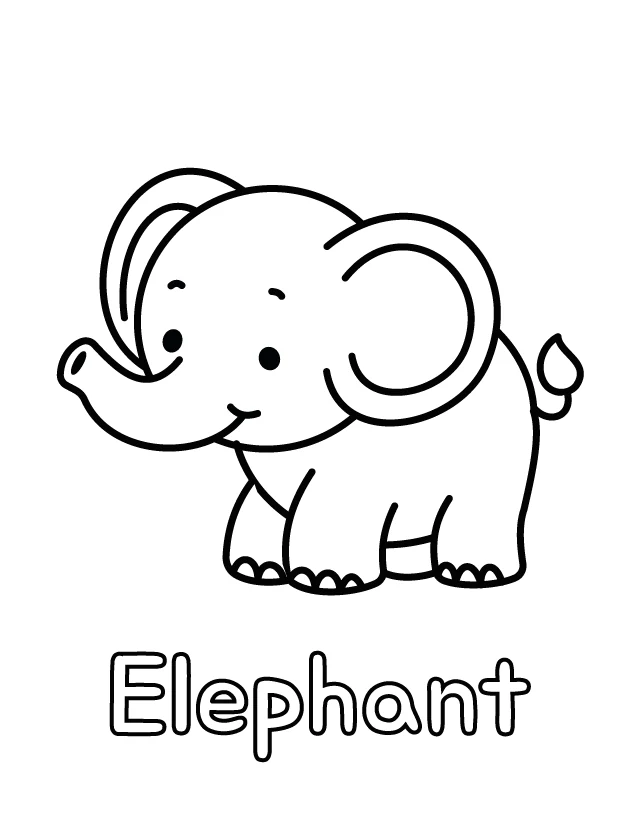
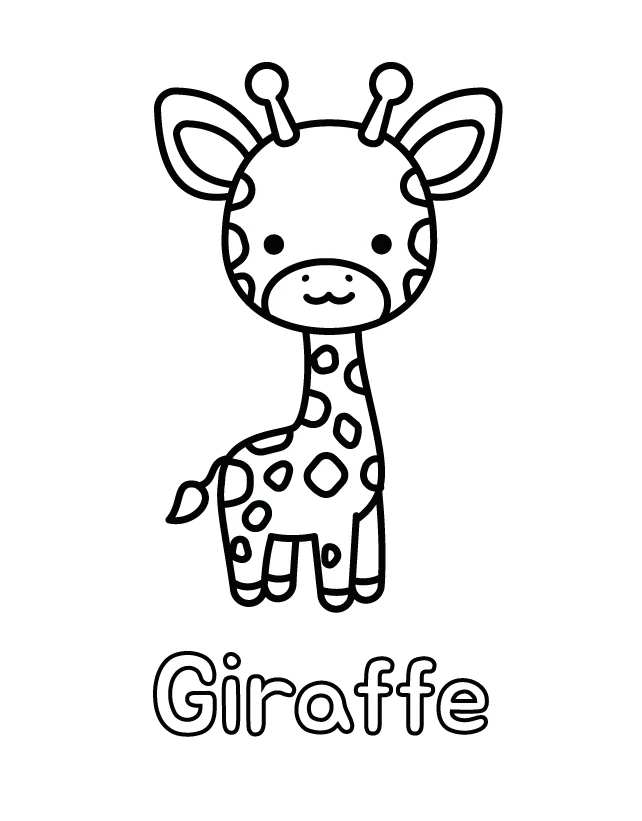
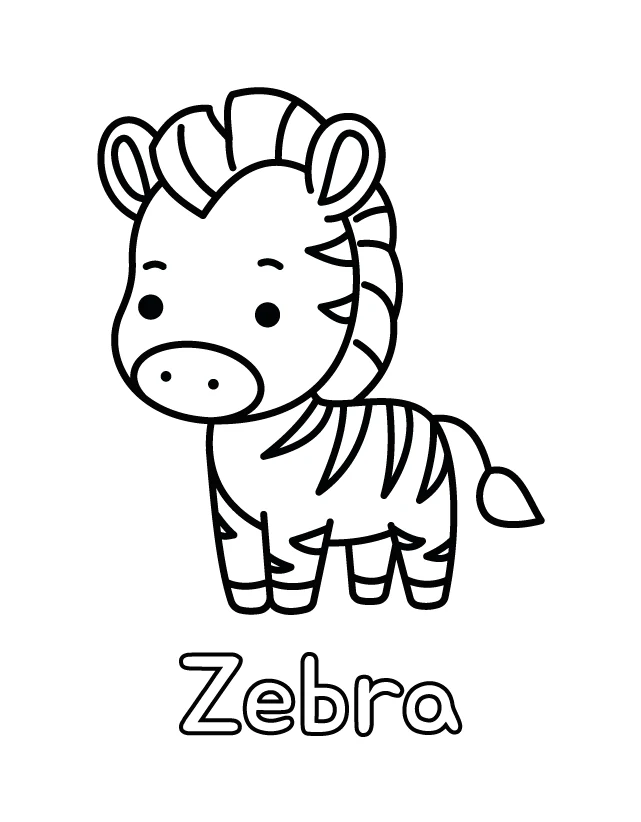
The right page helps too. A large drawing with a thick outline gives a child a clearly visible area to color, which makes it easier to keep the movements on the sheet. That works better than repeated requests to be careful.
Session length is the quietest of the three and the most reliable. A child who has finished being interested does not put the crayon down politely, they start testing what else the crayon does. Ending the session at the first sign of that, rather than at the end of the page, prevents almost all of the incidents parents remember.
Two practical arrangements are worth the small effort. Put a spare sheet of paper under the page, which catches the lines that run over the edges. And give one sheet at a time rather than the open book, which removes the temptation to turn the page mid-drawing and halves the surface area available for accidents.
One thing worth knowing before you shop: mess free sets, reusable wipe-clean books and water-reveal books each cut down on mess in their own way, and each gives a child a different experience at the table. A separate article on this site compares all four kinds and says where each one fits.
Questions parents ask
How do I get crayon off a wall?
Warm water with a little dish soap on a soft cloth removes most crayon from painted walls, working gently so the paint is not rubbed. A magic eraser sponge handles what is left but can dull a matte finish, so test a hidden patch first. Check the crayon packaging: many brands publish removal instructions for their own product.
Should my child wear a smock?
With crayons it is rarely necessary. With markers or paint an old shirt is easier than a proper smock and works as well. The bigger saving is choosing washable tools in the first place.
Where this fits in development
- Controlled scribblingabout 18 months to 2 years. Scribbles without being shown first, and can copy a line someone else draws
If you were looking for an age instead
- Coloring pages for a 2 year old: what suits and what to expectA large recognizable subject, an outline that is still thick, and two or three parts inside the shape. What changes at two, and what does not change yet.
We publish one coloring book for this age: 111 drawings, thick outlines, one on every page.About the book
Read next
- How long will a toddler actually sit and color?Two or three minutes may be enough at the very beginning. At around two the interest in one page often lasts about five ...
- Types of coloring books for toddlers: traditional, reusable, water-reveal and mess-freeFor a child who is just beginning to draw, a traditional paper coloring book with thick outlines is usually the best pla...
- What the labels on a box of crayons actually meanIn the United States, art materials are subject to federal labeling requirements, and the statement Conforms to ASTM D-4...
Where the developmental facts come from
Ages on this site are typical ranges, not deadlines. Children reach these points at their own pace, and a few months either way is ordinary.
- Learn the Signs. Act Early.Centers for Disease Control and Prevention
- Hand and Finger Skills: 2 Year OldsAmerican Academy of Pediatrics, HealthyChildren.org
- Developmental MilestonesStatPearls, National Library of Medicine
- Developmental Milestones: Fine Motor and Visual Motor SkillsChildren's Hospital of Orange County