
Controlled scribbling: coloring at about 18 months to 2 years
Staying inside a line is still out of reach, and asking for it now is the fastest way to make a child put the crayon down.
What a child at this stage can usually do
- Scribbles without being shown first, and can copy a line someone else draws
- Makes round looping marks and up and down strokes on purpose
- Turns the pages of a book one at a time
- Keeps most of the marks somewhere on the drawing rather than all over the table
What to look for in a page
- Thick outlines still, but the shape can have two or three parts now
- One drawing per page, and nothing else on the sheet competing for attention
- A word printed under the drawing, so naming comes along with coloring
How it actually goes at the table
On the sheet you start to see the change. The marks gather nearer the middle of the drawing instead of running off the page, round scribbles appear alongside the straight sweeps, and one spot often gets colored over and over until the paper shines.
A session now runs about three to seven minutes. The child also starts lifting the crayon and putting it down again, rather than dragging it in one continuous motion, which is why the page looks busier than it did a few months ago.
If the child leaves after a minute, check the crayon before you check the child. A thin marker or a short stub is hard to hold at this age, and a page that has already been scribbled over gives nothing new to look at. A fresh sheet often brings them straight back.
The most common mistake is turning to a new page every time the child pauses. Pausing is part of the work at this stage, and the same drawing returned to three times teaches more than three drawings abandoned once each.
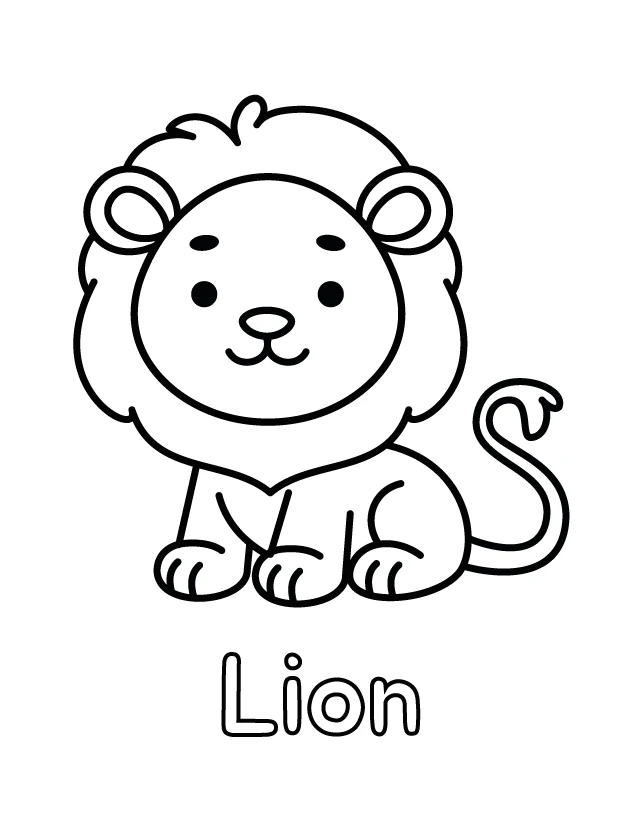

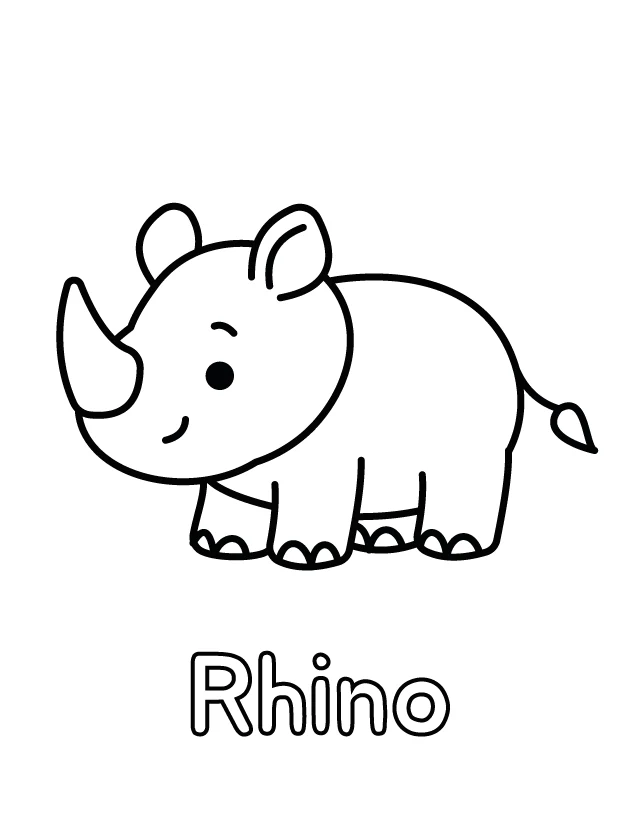
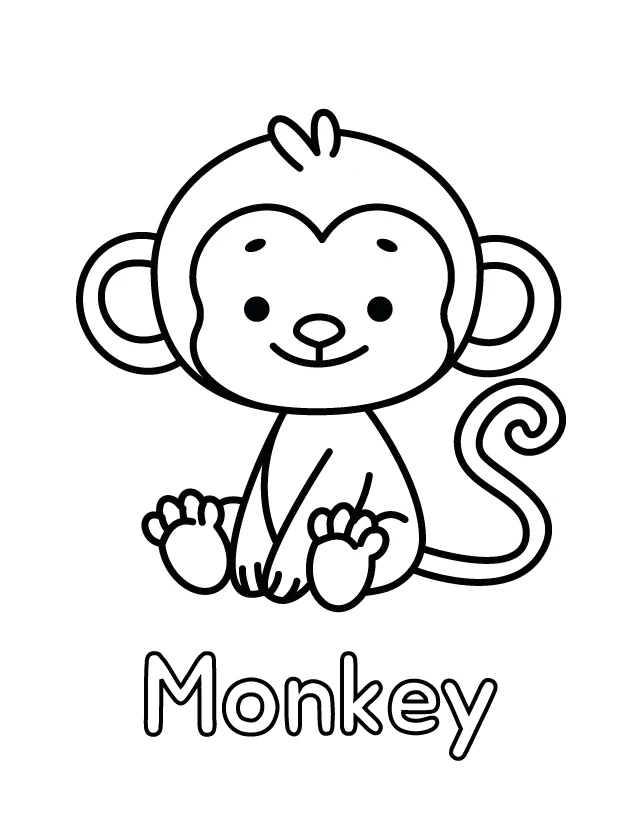
The book we publish for this stage
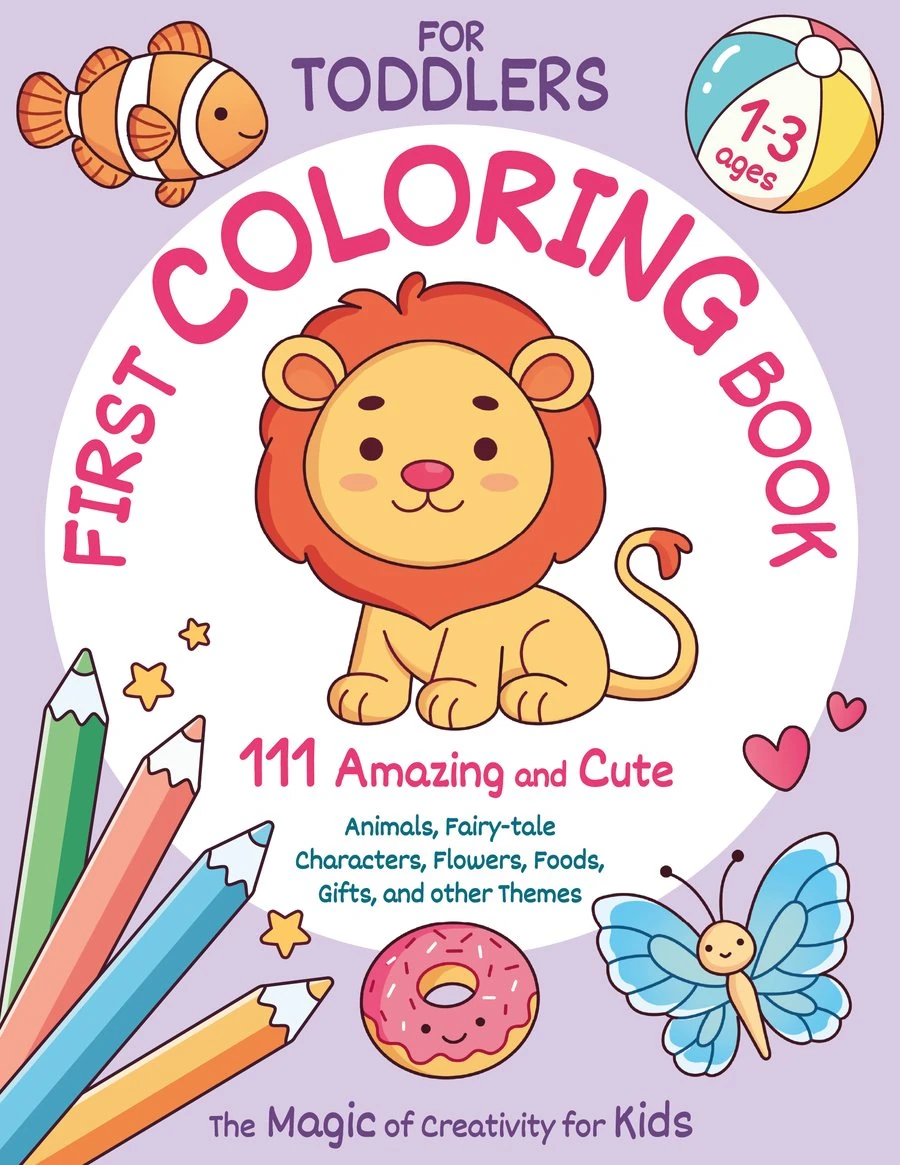
First Coloring Book for Toddlers Ages 1-3
A first coloring book works best with big, simple drawings and thick outlines, with no small detail and nothing extra on the page. One picture per page makes it easier for a child to stay with it and color on their own. This book is built on that principle: 111 hand drawn pictures, each filling almost the whole sheet. Under every picture sits its name in hollow letters, which can be colored too.
About the bookBuy the paperback on Amazon · $6.99 Which paper size do you print on? You pay here, and the link arrives by email right after checkout. Print it at home as many times as you need.Get the printable file · $3.99
Sold and shipped by Amazon. We earn from the sale.
Questions parents ask at this stage
These guides answer the questions that come up most often while a child is at this stage: what to draw with, how long a child usually sits with one page, and what to do about the mess.
- Crayons, markers or colored pencils: what to give a toddlerThick wax crayons are the best place to start. They leave a visible mark without much pressure and are easy to hold. Was...
- Coloring with a toddler without the messMost of the mess around coloring can be reduced in three simple ways: choose suitable materials, give the child a large ...
- Types of coloring books for toddlers: traditional, reusable, water-reveal and mess-freeFor a child who is just beginning to draw, a traditional paper coloring book with thick outlines is usually the best pla...
Before and after this stage
- First marksabout 12 to 18 months. Holds a crayon in a fist and makes marks on paper on purpose
- Aiming at the shapeabout 2 to 3 years. Copies a vertical line, a horizontal line and a circle when shown
If you were looking for an age instead
- Coloring pages for a 2 year old: what suits and what to expectA large recognizable subject, an outline that is still thick, and two or three parts inside the shape. What changes at two, and what does not change yet.
- What these recommendations are based onWhich signs the picker weighs, where the age ranges come from, and what this tool does not do.
Where the developmental facts come from
Ages on this site are typical ranges, not deadlines. Children reach these points at their own pace, and a few months either way is ordinary.
- Learn the Signs. Act Early.Centers for Disease Control and Prevention
- Hand and Finger Skills: 2 Year OldsAmerican Academy of Pediatrics, HealthyChildren.org
- Developmental MilestonesStatPearls, National Library of Medicine
- Developmental Milestones: Fine Motor and Visual Motor SkillsChildren's Hospital of Orange County