
A Spanish coloring book for speech therapy and early intervention with toddlers
111 drawings, one per page, the word printed underneath in Spanish. Sold on Amazon in English and Spanish, and available in quantity for a caseload.
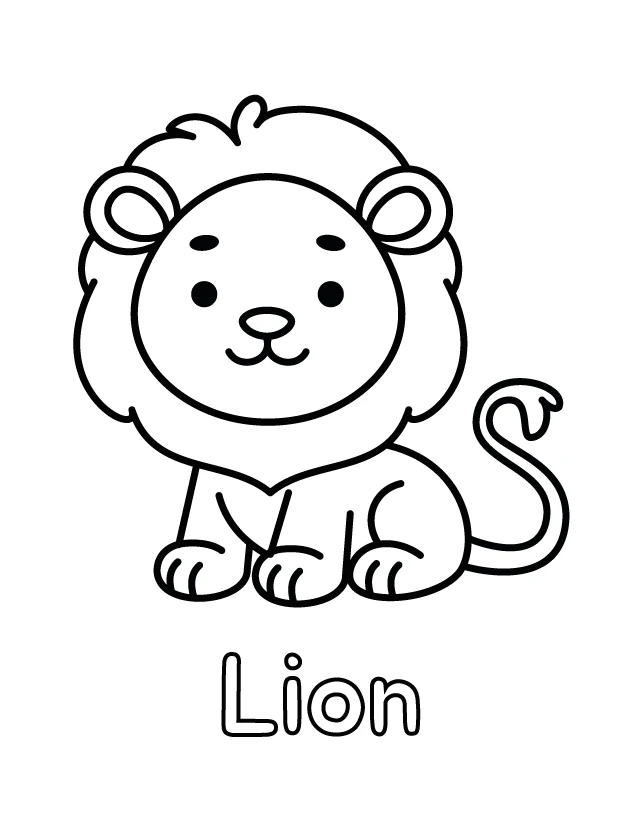
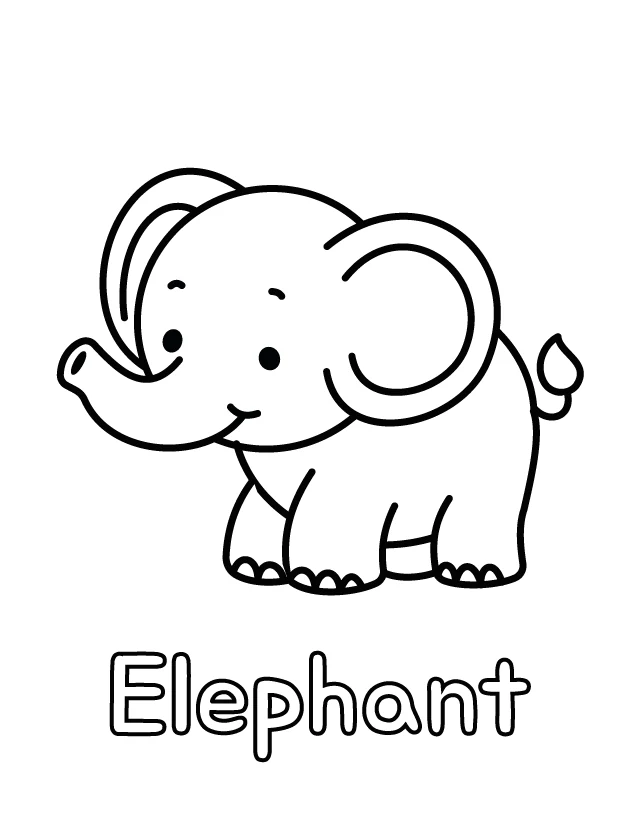
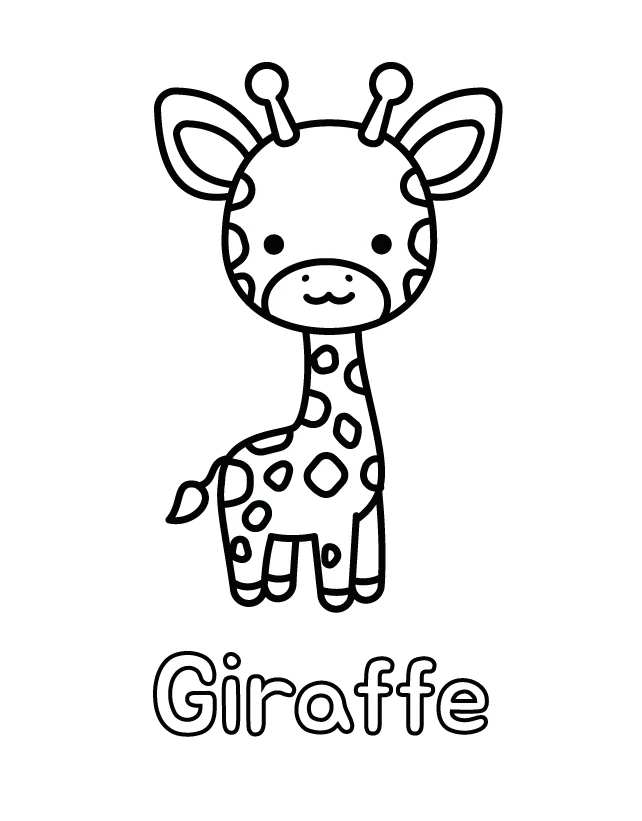
The Spanish edition is a separate book, not a translated one. The drawings are the same as in the English edition and the word under each drawing is Spanish, printed in outline letters so it can be colored as well. Nothing else is on the page: one subject, one word, thick outline, white space around it.
Every drawing shows a familiar object, animal or character: animals, sea creatures, food, toys, vehicles, flowers and fairy tale characters. There are 111 different drawings with no repeats, so the book provides material for a long stretch of sessions.
The paperback is on Amazon at a price that makes one copy per child realistic, and any quantity can be ordered there. If you need a set for a whole caseload, or something an ordinary order does not cover, write to us. Ten pages from the book are free to print here, so you can see the line thickness and the size of the drawings before you buy anything.
What is in the book
- One drawing and one word per page, nothing else competing for attention
- The word in Spanish in the Spanish edition, in English in the English edition
- Thick outlines, suited to early coloring and to dot markers
- 111 different subjects, no repeats
- 8.5 by 11 inches, 114 pages
The book
Paperback, sold and shipped by Amazon in English and in Spanish. Any quantity can be ordered there directly.
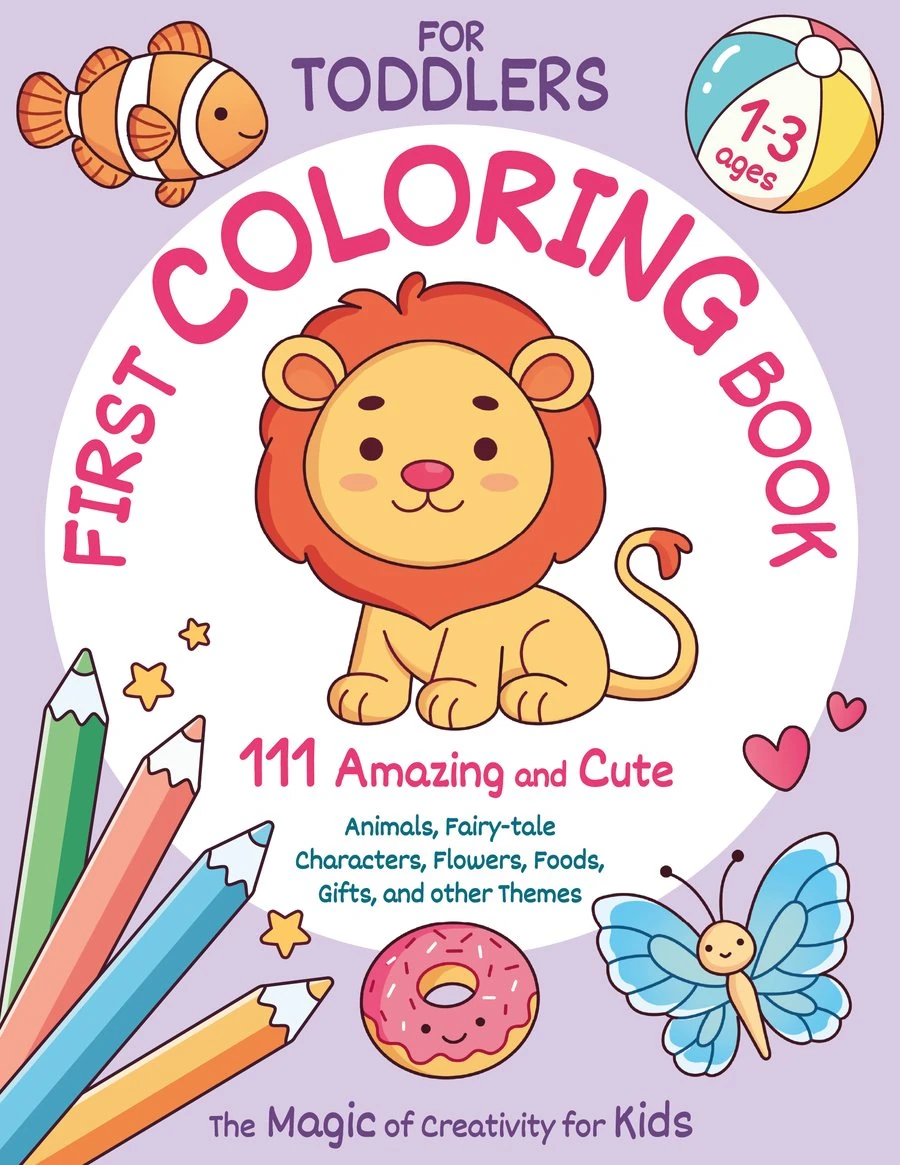
First Coloring Book for Toddlers Ages 1-3
A first coloring book works best with big, simple drawings and thick outlines, with no small detail and nothing extra on the page. One picture per page makes it easier for a child to stay with it and color on their own. This book is built on that principle: 111 hand drawn pictures, each filling almost the whole sheet. Under every picture sits its name in hollow letters, which can be colored too.
Buy the paperback on Amazon · $6.99 Which paper size do you print on? You pay here, and the link arrives by email right after checkout. Print it at home as many times as you need.Get the printable file · $3.99
Sold and shipped by Amazon. We earn from the sale.
More copies than an ordinary order covers
Write to us and say what you need and how many children it is for. We answer in English, Spanish and Russian.
Questions parents ask
Is the Spanish edition a translation of the English one?
No, it is a separate book with its own title. The drawings are the same and the word under each drawing is Spanish, not an English word with a label added. A family that speaks Spanish gets a Spanish book.
Can I buy enough copies for my whole caseload?
Yes. The paperback is on Amazon in both languages and any quantity can be ordered there directly. For a larger set, or for anything an ordinary order does not cover, write to us and say how many children it is for.
Can I print pages instead of buying a copy for each child?
Ten pages from the book are free here and may be printed in any number for the children you work with, including copies for families to keep. The rest of the book is not free to copy, which is why the free pages exist.
What age does the book actually work for?
The book is made for children aged one to three, though it is better to look at what a child can do as well as at their age. It suits both children who still make sweeping marks across the sheet and children who are already trying to color the drawing itself.
Other kinds of work
- A coloring book to leave with families: home visiting programsA book in the family's own language that stays in the home. English and Spanish editions on Amazon, any quantity, one per family on your caseload.
- The same book for everyone in the room: parent groups and librariesOne title, fifteen copies, one language for the whole room. English and Spanish editions on Amazon, and ten pages free to print for a session or a giveaway.
- Coloring books for a toddler room: daycare and family child careOne book per child or one for the shelf, in English or Spanish. 111 drawings, ordered in any quantity on Amazon.
- For professionalsAll of it on one page
Where the developmental facts come from
Ages on this site are typical ranges, not deadlines. Children reach these points at their own pace, and a few months either way is ordinary.
- Learn the Signs. Act Early.Centers for Disease Control and Prevention
- Hand and Finger Skills: 2 Year OldsAmerican Academy of Pediatrics, HealthyChildren.org
- Developmental MilestonesStatPearls, National Library of Medicine
- Developmental Milestones: Fine Motor and Visual Motor SkillsChildren's Hospital of Orange County